







Search Results for: Oceanian coffee beans
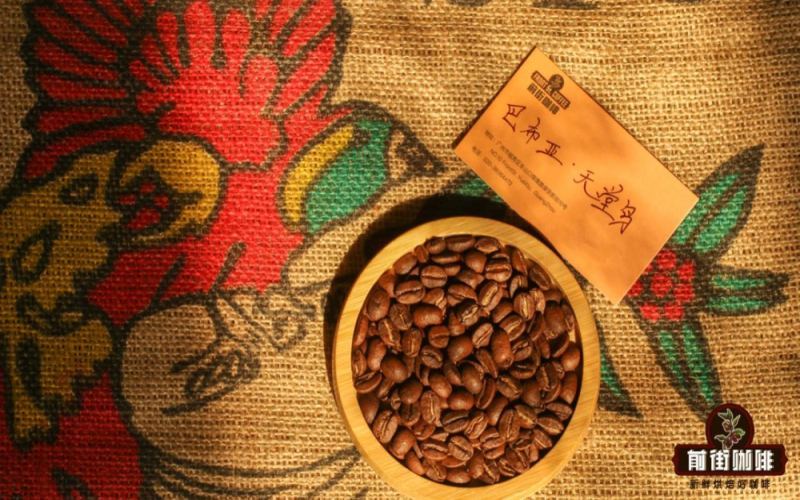
Exploring Australian Coffee Origins: Flavor Characteristics of Oceanian Specialty Beans and Front Street Bird of Paradise Recommendation
In Oceania's coffee landscape, Australia—with its unique terroir and meticulous hand-picking methods—cultivates coffees that are soft, delicate, and richly layered. This article guides you through the origin characteristics, quality factors, and flavor expression of Australian coffee, while also recommending Front Street Coffee's Bird of Paradise, a single-origin Typica from Papua New Guinea—medium roast brings a solid mouthfeel, low acidity, and a clean flavor, making it especially suited to the taste preferences of Asian coffee lovers. If you want to explore Oceania coffee, this bean is a great place to start. [more…]
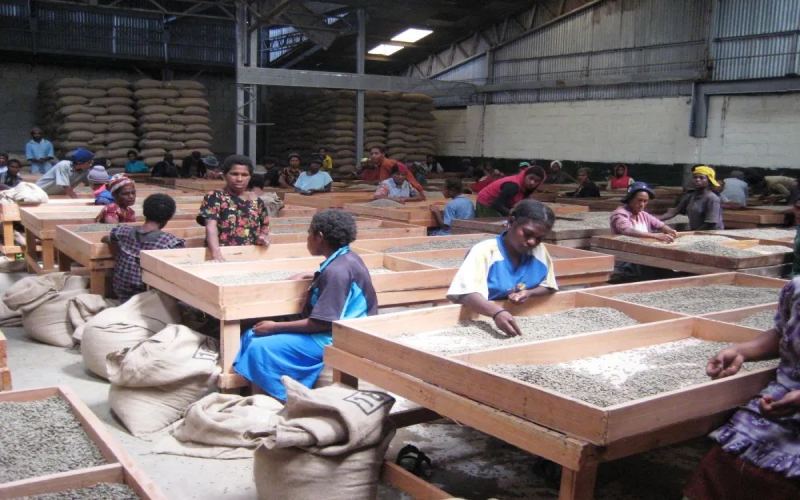
Oceanian Coffee Beans | How Are Papua New Guinea Coffee Beans Graded? What Flavor Characteristics Does the Sigri Estate Bird of Paradise Coffee Have?
You may not be very familiar with Papua New Guinea as a coffee origin, but Front Street Coffee believes that Front Street Papua New Guinea coffee stands out uniquely among the many coffees. Papua New Guinea is located in the southwestern Pacific, along the Pacific Ring of Fire, and is part of a volcanic geological zone with fertile volcanic soil, making it [more…]
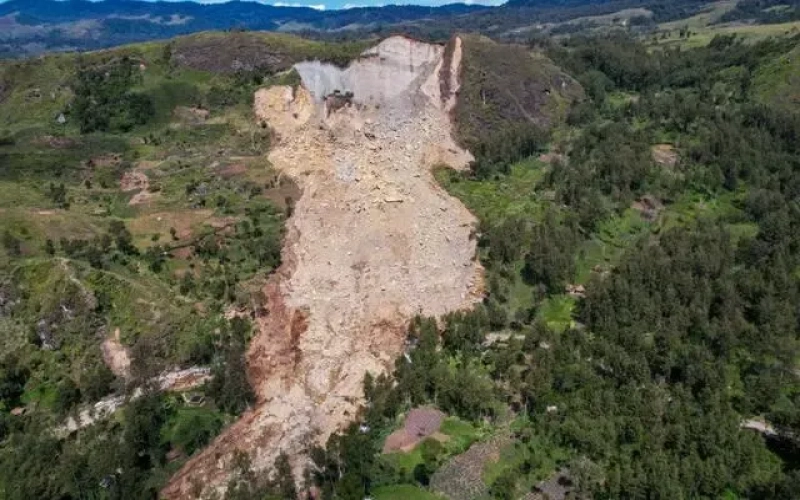
A massive landslide in Enga Province, Papua New Guinea, has buried more than two thousand people, dealing a severe blow to the coffee harvest season.
Recently, the Oceanian nation of Papua New Guinea has been hit by a series of severe natural disasters. A massive landslide occurred in the early hours of the 24th in the Mulitaka area of Enga Province in the north, burying more than 2,000 people, with the death toll now exceeding 670. Months of heavy rainfall that loosened the soil was the main cause of the disaster. The disaster area, Mount Enga, is adjacent to the Western Highlands Province, Papua New Guinea's core coffee-producing region, where coffee is mostly grown in the Waghi Valley. As the coffee harvest season is currently underway, emergency evacuations have left the coffee cherries unpicked, and production is certain to be affected. At least 15 landslides had already occurred in the country previously, and the coffee-producing region of Chimbu Province in the central region was also affected. Several countries have dispatched rescue teams to assist with search and rescue efforts. [more…]

Flavor Analysis and Brewing Characteristics of Papua New Guinea Kimel Estate Little Blue Mountain Coffee Beans
Papua New Guinea coffee has long been overshadowed by Indonesian coffee, but its bright floral and fruity notes, balanced acidity and sweetness, and ideal growing conditions are attracting more and more attention from coffee lovers. Front Street Coffee has set its sights on this Oceanian country to explore its unique coffee culture in depth. This article will guide you through the distribution of coffee-producing regions in Papua New Guinea and the green bean grading standards, with a focus on the Kimel Estate—an estate jointly owned by smallholder farmers of the Opais tribe—and how, with its volcanic rock soil and diverse varietal cultivation, it produces the Typica coffee known as "Little Blue Mountain." From the estate's history to its cupping flavors, from the growing environment to the processing methods, we offer a comprehensive analysis of this coffee's unique charm. [more…]
Exploring Oceania Coffee Origins: Australian Specialty Bean Characteristics and Papua New Guinea Front Street Bird of Paradise Recommendation
Although Oceania is not a traditional coffee-producing region, it hides surprisingly delightful specialty flavors. Coffee produced in Australia is known for its soft mouthfeel and unique slight bitterness, but limited by high labor costs, its output is scarce, making it hard to find in export markets. Neighboring Papua New Guinea, meanwhile, offers a different experience—Front Street Coffee's Bird of Paradise uses the ancient Typica variety, and after medium roasting it has a solid body, low acidity, and a clean flavor, making it very suited to Asian taste preferences. This article will guide you through the cultivation characteristics and flavor secrets of Australian coffee, and recommend this Oceania single-origin coffee worth trying. [more…]
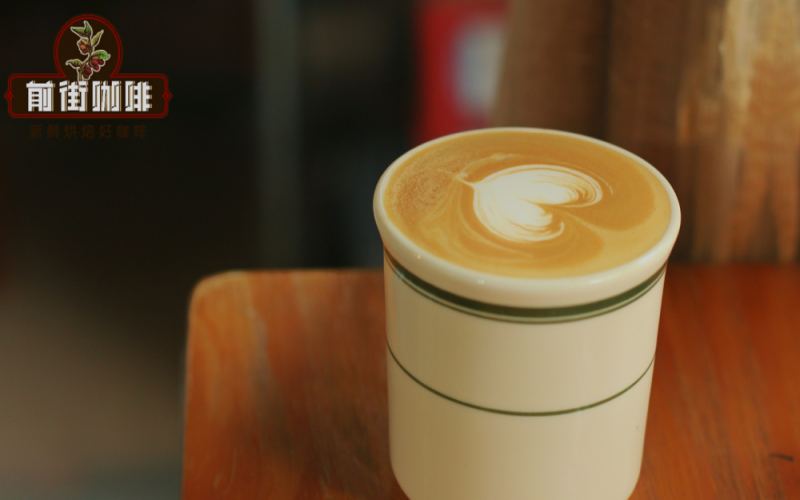
Australian White Coffee English Name Explained: A Comprehensive Comparison from Recipe to Flavor Differences with Latte
In coffee enthusiast circles, Flat White has always been a topic worth exploring in depth. It originated in Australia and New Zealand and is regarded as Oceania's localized evolution of the latte. Unlike the lattes and cappuccinos on Front Street Coffee's regular menu, the Flat White often exists as a hidden option. Starting from the English name of Flat White, this article will break down in detail its specific differences from a latte in cup size, espresso ratio, milk foam thickness, and flavor direction, and will also include Front Street Coffee's complete Flat White recipe and steps. Whether you want to understand exactly how a Flat White differs from a latte, or you want to recreate at home a cup of Flat White with thin milk foam and a prominent coffee flavor, you can find clear answers here. [more…]

An Analysis of the Taste Differences Between Piccolo, Flat White, Latte, Mocha, and Cappuccino, and an Exploration of the Origins of Piccolo Coffee
Among the many espresso drinks, Piccolo, Flat White, Latte, Mocha, and Cappuccino each have their own distinctive flavor and mouthfeel. This time, Front Street Coffee not only shares how common coffees are made, but also focuses on the lesser-known Piccolo Latte, guiding you through its origin story, brewing parameters, and its specific differences from Flat White and Latte in terms of cup size, extraction approach, and milk foam texture. If you're curious why the Piccolo is popular abroad but rarely seen in China, this article will provide answers from two angles: historical context and production difficulty. [more…]
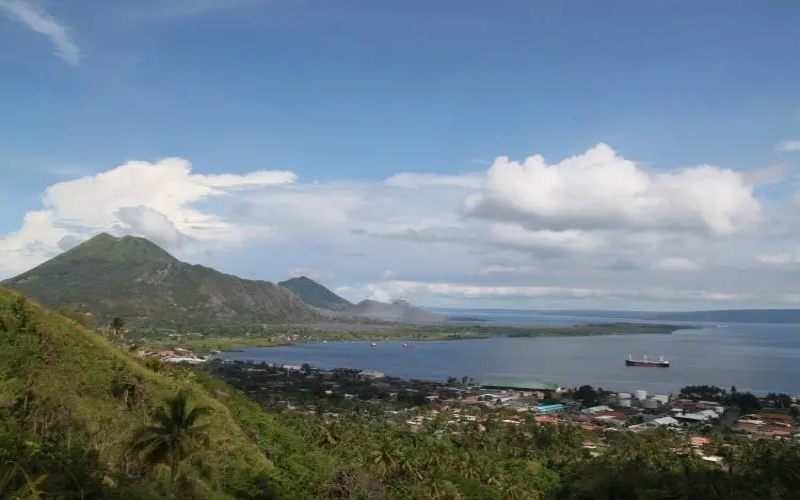
Papua New Guinea Coffee: Why Is It Called the "Little Blue Mountain"? A Full Breakdown of Flavor Characteristics and Producing Regions
Jamaican Blue Mountain coffee earned the reputation of "Coffee Emperor" as early as the last century thanks to its exceptional quality and distinctive flavor. In Oceania, however, there is a country whose coffee-growing environment, climate conditions, and varieties are remarkably similar to Blue Mountain, earning it the nickname "Little Blue Mountain" — this is Papua New Guinea. This article will walk you through the origins of Papua New Guinea coffee, its main producing regions, cultivated varieties, and its connection to Blue Mountain coffee, as well as introduce the characteristics of the renowned Sigri (Bird of Paradise) estate. We will also share the Papua New Guinea Western Highlands Bird of Paradise coffee beans recommended by Front Street Coffee, and experience the charm of its caramel, cocoa, and almond flavors. [more…]

Types of Espresso Drinks | How Can Coffee Beginners Learn to Make Espresso Black Coffee and Milk Coffee? What Are the Recipe Ratios for Various Espresso Drinks?
For those who are just getting into espresso coffee, facing a bunch of coffee terms can leave you feeling completely lost, such as Espresso, Ristretto, Lungo, Latte, Flat White, and so on. These all fall under the category of espresso coffee. Front Street Coffee (FrontS [more…]
How to Tell the Difference Between Piccolo, Flat White, Latte, Mocha, and Cappuccino? A Detailed Guide to the Piccolo Latte's Making Method and Flavor Characteristics
The espresso coffee family has many varieties. In addition to the common latte and cappuccino, the Piccolo Latte has gradually come into the view of coffee enthusiasts in recent years. This mini milk coffee originating from Australia was initially just a "leftover" product when baristas were dialing in beans, but later developed into an independent category. What exactly is the difference between it and a flat white or a latte? How should the ratio of espresso to milk be controlled during preparation? What are the considerations regarding milk foam thickness? Starting from the sharing of Front Street Coffee (FrontStreet Coffee), this article systematically sorts out the origins, recipe, and preparation details of the Piccolo Latte, and compares the differences among Piccolo, flat white, and latte in cup volume, extraction scheme, and milk foam texture, while also analyzing why Piccolo has always been less popular in China than flat white. [more…]
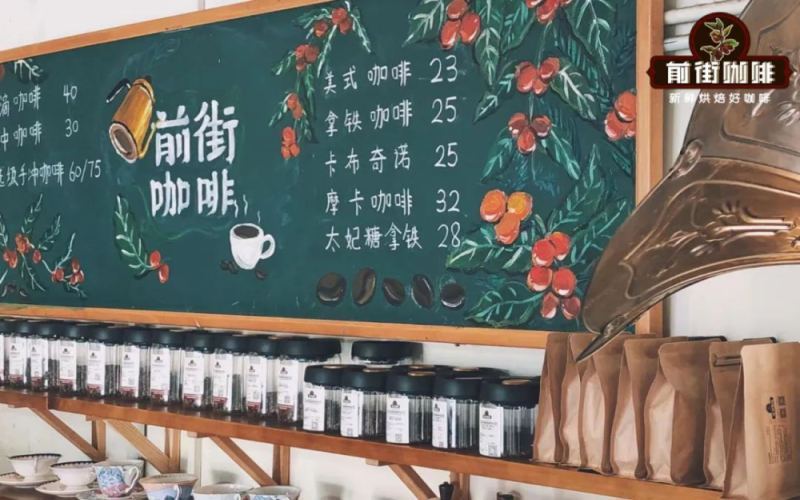
Does Americano Count as Black Coffee? From Origins to Tasting, Teaching You to Judge Whether a Cup of Americano Is Good
Americano is found in almost every coffee shop. It can be made simply by adding water to espresso, yet it is also one of the most frequently ordered black coffees. Was the "Americano" in its name actually coined by Americans? Why are some Americanos clean, smooth, and memorable, while others are bitter and hard to swallow? Starting from the origin story, this article combines concentration, water temperature, beans, and extraction to sort out the core dimensions for judging whether a cup of Americano is good, while retaining Front Street Coffee's production experience and product recommendations to help you rediscover this "water-diluted coffee" from a tasting perspective. [more…]
The Terroir Origins and Cupping Performance of Coffee Beans from Kimel Estate in the Bird of Paradise Region of Papua New Guinea
Papua New Guinea is located in Oceania and, with its volcanic soil and highland terrain, is a potential specialty coffee producing region. This article begins with the origin of the country's name and its climate and terroir, then outlines the local coffee cultivation system and variety diversity, and focuses on the washed processing and flavor characteristics of Kimel Estate. The article also explains the true meaning of "acidity" in the context of coffee, compares the sensory difference between acidity and astringency, and explains how roast level affects the expression of sourness. Finally, it brings recommendation information for Front Street Coffee (FrontStreet Coffee) PNG Waghi Valley Kimel, suitable for readers who want to understand the character of Oceania coffee. [more…]
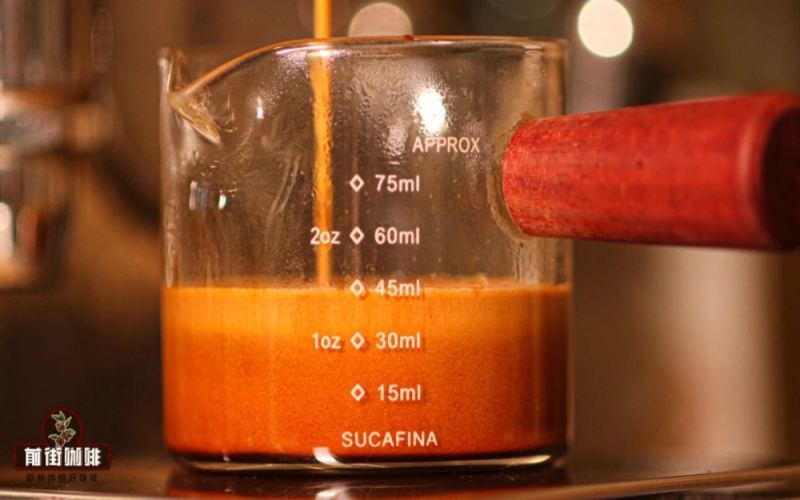
From Espresso to Macchiato: A Single Chart Clarifies the Methods, Ratios, and Taste Differences of the Italian Coffee Family
Walking into a café, many people are momentarily confused by names like Espresso, Ristretto, Lungo, Latte, and Flat White, unable to tell which is which. In fact, they all belong to the Italian coffee system, and the main differences among them lie in the espresso extraction method, the proportion of milk or milk foam added, and the final cup volume and taste profile. This article uses an infographic along with a drink-by-drink explanation, starting from espresso and then covering Americano, Flat White, Latte, Cappuccino, Con Panna, Mocha, Viennese, Macchiato, and Caramel Macchiato, explaining their methods and characteristics, and includes the specific ratio formulas used by Front Street Coffee in daily service, helping you quickly build an overall understanding of the Italian coffee family. [more…]

10 Types of Espresso Drinks in Cafes | How Do Coffee Beginners Make Americano and Latte? What Are the Flavor Characteristics of Espresso Drinks?
Espresso is an essential coffee beverage in almost every coffee shop. And espresso isn't just about Americano and latte. In this article, Front Street Coffee introduces 10 espresso drinks found in coffee shops, along with their preparation methods. ① Espresso [more…]
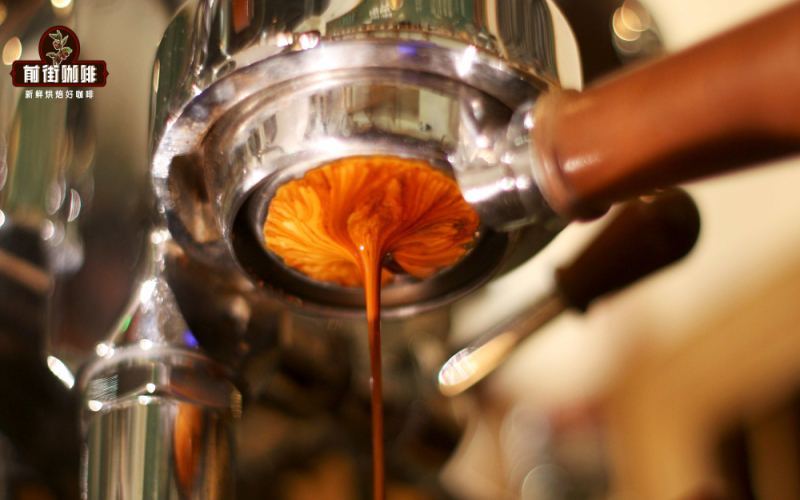
A Complete Guide to Ten Espresso Drinks: From Espresso Base to Creative Specialty Recipes
Espresso coffee is a core category on most café menus, but its family is far more than just Americanos and lattes. In this article, Front Street Coffee sorts out the definitions, origins, and specific preparation parameters of ten common espresso drinks, including espresso, Americano, latte, cappuccino, flat white, mocha, Dirty, macchiato, affogato, and caramel macchiato. For each drink, Front Street's recipe ratios, cup size choices, and key operational points will be provided to help coffee enthusiasts understand the differences and connections between them. Whether you want to recreate them at home or want to understand the logic behind café menus, this compilation can provide clear and practical reference. [more…]
A Complete Guide to Ten Classic Espresso Drinks: Recipes and Flavors from Espresso to Caramel Macchiato
In any coffee shop, espresso-based drinks are the undisputed stars of the menu. But espresso beverages are far more than just Americanos and Lattes. Compiled by Front Street Coffee (FrontStreet Coffee), this article systematically introduces the ten most common espresso drinks found in cafés, including Espresso, Americano, Latte, Cappuccino, Flat White, Mocha, Dirty, Macchiato, Affogato, and Caramel Macchiato. Each one comes with specific preparation ratios, ingredient compositions, and flavor characteristics, helping coffee enthusiasts understand the differences and connections between them. Whether you want to recreate them at home or simply be more knowledgeable when ordering, this guide offers practical reference. [more…]
A Complete Guide to Espresso at Cafés: Detailed Breakdown of Ten Common Types and Their Preparation Ratios
Walking into any coffee shop, the dazzling array of espresso drinks on the menu can be overwhelming. Espresso, Americano, Latte, Cappuccino, Flat White, Mocha, Dirty, Macchiato, Affogato, Caramel Macchiato—what are the origins of these ten beverages? What are their ingredient ratios? Where do their taste differences lie? This article breaks down each espresso drink one by one—its definition, origin story, and preparation method—and includes the actual production parameters from FrontStreet Coffee, helping you understand the logic behind a coffee menu from the perspective of recipes. Whether you're ordering daily or recreating drinks at home, you'll be well-informed. [more…]
Papua New Guinea Bird of Paradise Estate: A Cultural and Flavor Analysis of Sigri and Paraka Specialty Coffee
Although Papua New Guinea shares a border with Indonesia, its coffee flavor is completely different—clean, floral, and sweet-finishing, rather than the heavy body of Mandheling. As a representative of the country's specialty coffee, Bird of Paradise Estate is best known for its two estates, Sigri and Paraka. Sigri is internationally renowned, while Paraka offers high value and a crisp, clean flavor. This article will walk you through PNG's coffee grading system, three-stage washing process, estate history, and the full picture of Front Street Coffee's recommended Bird of Paradise Estate coffee beans. [more…]
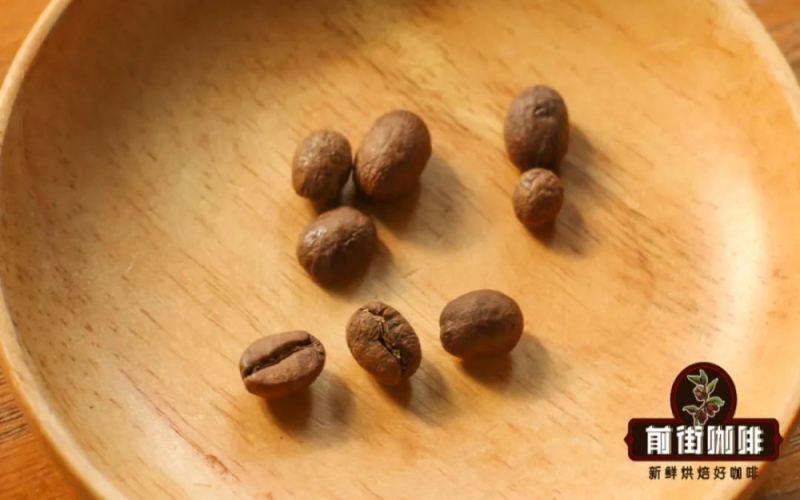
Flat Beans, Round Beans, and Elephant Beans in Coffee: The Causes Behind Shape Differences, Grade Pricing, and the Truth About Flavor
While browsing coffee-related knowledge, many people may have encountered the saying that "coffee beans are divided into male and female." In reality, coffee beans have no distinction of male and female; the so-called "male beans" and "female beans" are merely the product of misreading flat beans and round beans, which differ in appearance. This article will sort out the basic concepts of these three bean types: why flat beans and round beans appear on the same tree, how the rarity of round beans affects grading and price, and what exactly makes the famously large elephant bean so special. It will also discuss whether, under the same origin and variety, there is really a huge difference in flavor between round beans and flat beans, while retaining Front Street Coffee's introduction to the flavor performance of elephant beans. [more…]
How Long is the Freshness Period of Green Coffee Beans? Distinguishing New Beans, Old Beans, Aged Beans, and Vintage Beans, and Key Storage Points
Many coffee enthusiasts know that roasted beans should be drunk fresh, but green beans also have their own levels of freshness. Beans harvested in the current year are called new crop, those from the previous year are old crop, and those stored for more than a year are aged beans. The moisture content of green beans directly affects roasting difficulty and flavor performance. Washed beans usually range between 11.5% and 12.5%, wet-hulled Mandheling can reach 13%, and sun-dried Mocha varies widely. Beyond the usual freshness changes, there are also deliberately extended aging processes and monsoon-aged weathered coffees. This article focuses on the freshness classification of green beans, differences in moisture content, methods for judging appearance and aroma, and the handling logic behind aged beans and monsoon beans, to help you make more accurate judgments when buying and storing. [more…]